
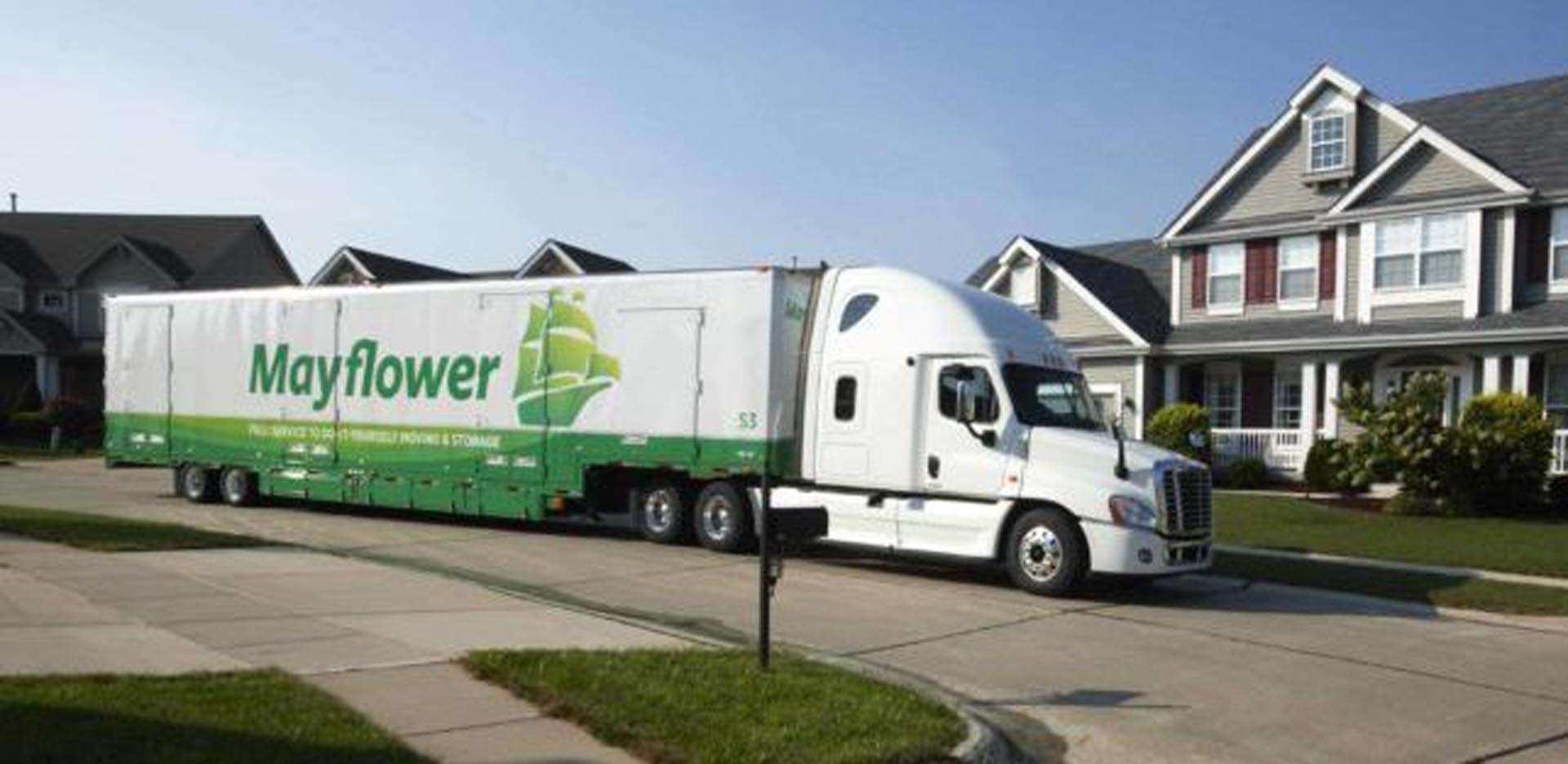
Your Complete Moving Guide
Moving to a new home can feel overwhelming, especially if you’re surrounded by boxes the night before, frantically making sure you packed everything. Between packing up your entire life, coordinating logistics, and settling into a new space, there’s a lot to manage. But with the right plan and preparation, your move can be much smoother than you think.
This guide walks you through every step of the moving process, from your first planning decisions to settling into your new location. Whether you’re moving across town or across the country, these tips will help you stay well-organized and reduce stress.
Planning Your Move: Start Early
The key to a successful move is starting early. Having been in the moving industry since 2006, I recommend starting planning 4-8 weeks before moving day. 12 weeks is even better for long-distance moves. Here’s how to get started:
Create a moving timeline
Break down tasks by week to avoid forgetting anything. Your timeline should include everything from researching moving companies to transferring utilities and changing your permanent address.
Set a realistic budget
Moving costs add up quickly, so you want to factor in all costs ahead of time. Budget for professional movers, packing supplies, travel expenses, storage if needed, and a buffer to cover any unexpected costs.
Declutter
Decluttering will save you money on your move because you’ll have fewer items to move. Go through each room and donate, sell, or dispose of items you no longer use.
Decide What Services You Need
Before you book your move, consider what kind of help you need: packing, loading, transportation, or a combination. Depending on the number of items and the amount of time you have, you’ll likely need a moving company. For reference, here’s a quick overview of the main types of moves:
A DIY Move: You handle everything yourself, including packing, loading, driving, and unloading. No moving company required.
Full Service Move: Professional movers take care of packing (optional), loading, transporting, and unloading your belongings.
Labor-Only Move: You rent the truck, pack your items, and movers handle loading and unloading of only the items you need help with.
| Option | Pros | Cons |
| DIY Move | Cheapest option; you have full control | Physically demanding; higher risk of damage to items and property; risk of injury |
| Full-Service Movers | Time-saving; safer for fragile items; movers can take care of everything | Higher cost |
| Labor-Only Move | Balance of cost and convenience; movers take care of the heavy lifting | Requires coordination of renting a truck and working with movers |
Choosing the Right Moving Company
Not all moving companies offer the same level of service or expertise. To find a reliable mover, here’s what to look for:
Licensing and insurance
For interstate moves: look for a USDOT number. You can verify this license on the FMCSA’s Mover License Database.
For local moves: confirm state licensing. For the state of Washington, verify your mover’s license on the WUTC Household Goods Carriers license lookup. Most states offer a license search on their government websites.
Experience with your type of move
Some companies specialize in residential moves, while others focus on commercial relocations. Certain companies specialize in moving specialty items or international moves. Choose a company with proven experience in your specific situation.
Written estimates
Get written estimates from at least three companies, and look at the value you are receiving for the price. Be cautious of quotes that seem too good to be true. They usually are.
A reputable moving company will offer an in-home or virtual assessment before providing an accurate estimate. If a moving company gives you an estimate over the phone without seeing all of your items, the estimate may be inaccurate.
Services offered
Make sure your moving company offers the services you need before signing your moving contract. Decide whether you want full-service packing, loading and unloading only, or something in between. Full-service moving companies can handle everything from packing your belongings to loading and unloading, transporting and storing your items, and unpacking them in your new space.
Packing Like a Pro
Packing is really the most time-consuming part of moving. Start early and pack strategically to make unpacking easier. I always recommend starting with items you don’t use as often, like holiday decorations.
Get quality packing supplies
You’ll need sturdy boxes in various sizes, packing paper, bubble wrap, packing tape, and sharpies or markers for labeling. Investing in quality moving boxes is worth it, as cheap boxes can break and damage your belongings.
Ask your moving company if they offer free used boxes with your move.
Pack room by room
This keeps things organized and makes unpacking simpler. If you want to get really fancy, you can color-code your labels by room.
Labeling
Label each box with its contents, like ‘clothes’ or ‘pots and pans,’ and the destination room, such as ‘main bedroom’ or ‘kitchen.’ Write the label on the top of the box and on two sides. This way, you can tell what is in a box when it’s in the middle of a stack.
Protect fragile items
Wrap dishes, glassware, and other breakables individually in bubble wrap, padded paper, or foam sheets. Pack these items into smaller boxes so they don’t weigh too much.
Keep your essentials separate
Pack a “first day” box or bag with items you’ll need immediately: toiletries, medications, phone chargers, important documents, toilet paper, a towel, and a change of clothes. Keep this box with you during the move rather than loading it on the truck, so you have everything you need.
Take photos of electronics
Before disconnecting your TV, computer, or other electronics, snap photos of the cable connections. This way, you’ll know how to set them up in your new home.
Coordinating Logistics
Change your address
Update your address with your insurance provider, post office, banks, credit card companies, workplace, and subscription services. Don’t forget about voter registration and your driver’s license.
Transfer or cancel utilities
Schedule disconnection at your old address, and set up utilities at your new home. Make sure this is done before your move so you have power and water when you arrive.
Plan for pets and kids
Moving day is hectic. Arrange for children and pets to stay with friends or family if possible. If that’s not an option, set up a quiet room where they can stay away from the action.
Confirm details with your movers
A few days before your move, confirm the date, time, and any special instructions with your moving company. Make sure they have accurate directions and parking information for both your current home and new home.
Moving Day Tips
When moving day arrives, being prepared helps everything run smoothly.
Be present and available
You or someone you trust should be on-site to answer questions and provide direction to your movers. Have your phone fully charged in case you need to make any calls or your movers need to reach you.
Do a final walkthrough
Before the movers arrive, check every room, closet, and storage area. Look in the basement, attic, garage, and outdoor spaces. It’s easy to forget items in less-used areas, and you don’t want to leave anything behind!
Protect your home
If you’re moving in wet or muddy conditions, lay down floor protectors. It’s good to get them ahead of time, so you are prepared for all weather conditions. Many professional movers bring floor runners, but it doesn’t hurt to have backup.
Keep important documents with you
Don’t pack passports, birth certificates, financial records, or other critical documents on the moving truck. Keep these in a secure bag or folder, and ensure they travel with you to avoid getting lost or damaged.
Take photos of your property
Document the condition of both your old and new spaces before and after the move. This protects you in the event of any disputes over damage. It’s good practice to take photos of your items before your movers move them onto the truck.
Getting Comfortable in Your New Home
Once you arrive at your new location, the work isn’t quite done yet.
Inspect your belongings
Check items as they’re unloaded. If possible, note any damage on the inventory sheet before the movers leave. This is important for filing claims if needed.
You can also report damage in the days after the move, but the sooner you do, the better.
Prioritize unpacking
Start with the essentials: kitchen basics, bedding, toiletries, and clothes. Then move to less critical items. You don’t have to unpack everything in one day.
Update your address everywhere
This goes beyond your driver’s license, bank, and utilities. Remember to update your address on your online shopping accounts, loyalty programs, and professional organizations. It’s a good idea to let your friends and family know, too, so you don’t miss out on any invitations.
Common Moving Mistakes to Avoid
Learn from others’ experiences and skip these common pitfalls.
Waiting until the last minute
Procrastination is the enemy of a smooth move. It adds more stress and chaos to your move. To avoid this, start early and stay on schedule.
Not researching moving companies thoroughly
Taking the cheapest quote without checking references can lead to problems and surprise hidden fees. Invest time in finding a reputable, experienced company.
Packing everything without sorting
Moving items you don’t need wastes time and money. Declutter first, then pack. Organizing first and packing strategically will save you time and stress when you unpack and set up your new home.
Forgetting to measure
It’s important to make sure your furniture will fit in your new space. This includes fitting through doorways and hallways in your new home. If your items don’t fit or cannot be taken apart to fit, you are better off selling or donating them to get new ones. Measure large items and new spaces before moving day.
Not reading the fine print
Understand your moving contract, including insurance coverage and liability limits. Ask questions about anything you don’t understand.
Final Thoughts
Moving is a major life event, but it doesn’t have to be overwhelming. Start planning early, stay organized, and don’t hesitate to ask for help when you need it. With proper preparation and the right mindset, you’ll be settled into your new home before you know it